 Blog
Blog


 Nederlands
 Deutsch
 Español
 Magyar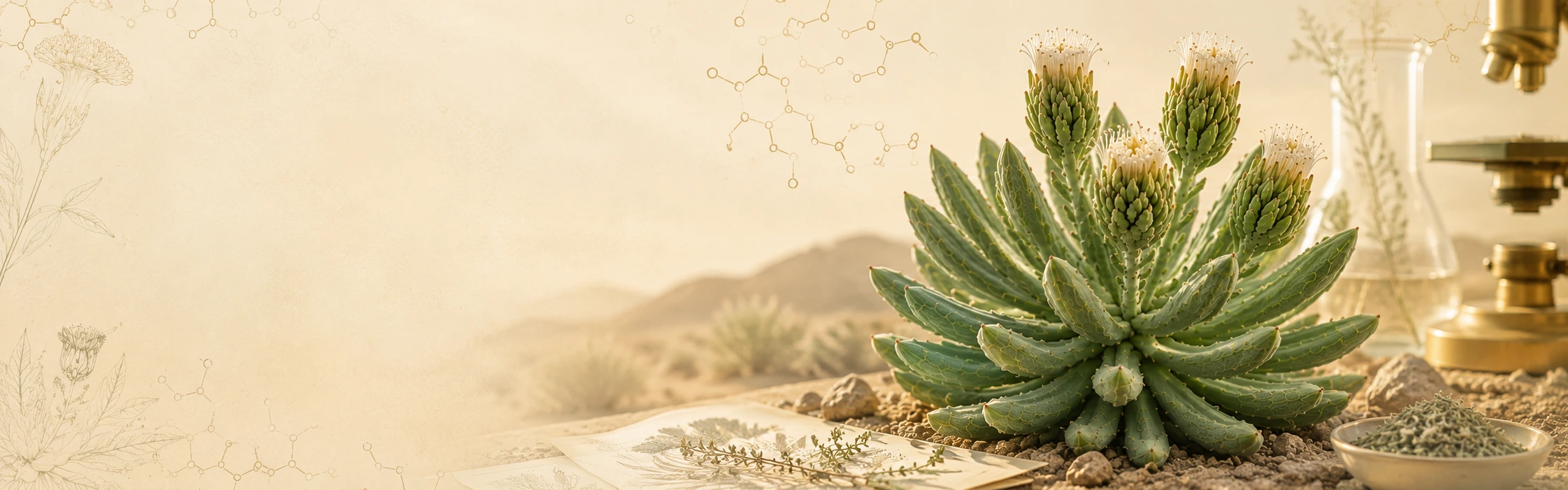



Buy Kanna – Sceletium tortuosum — Raw powder & extracts
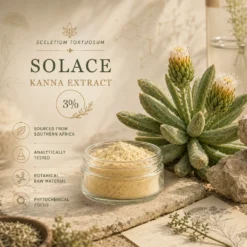
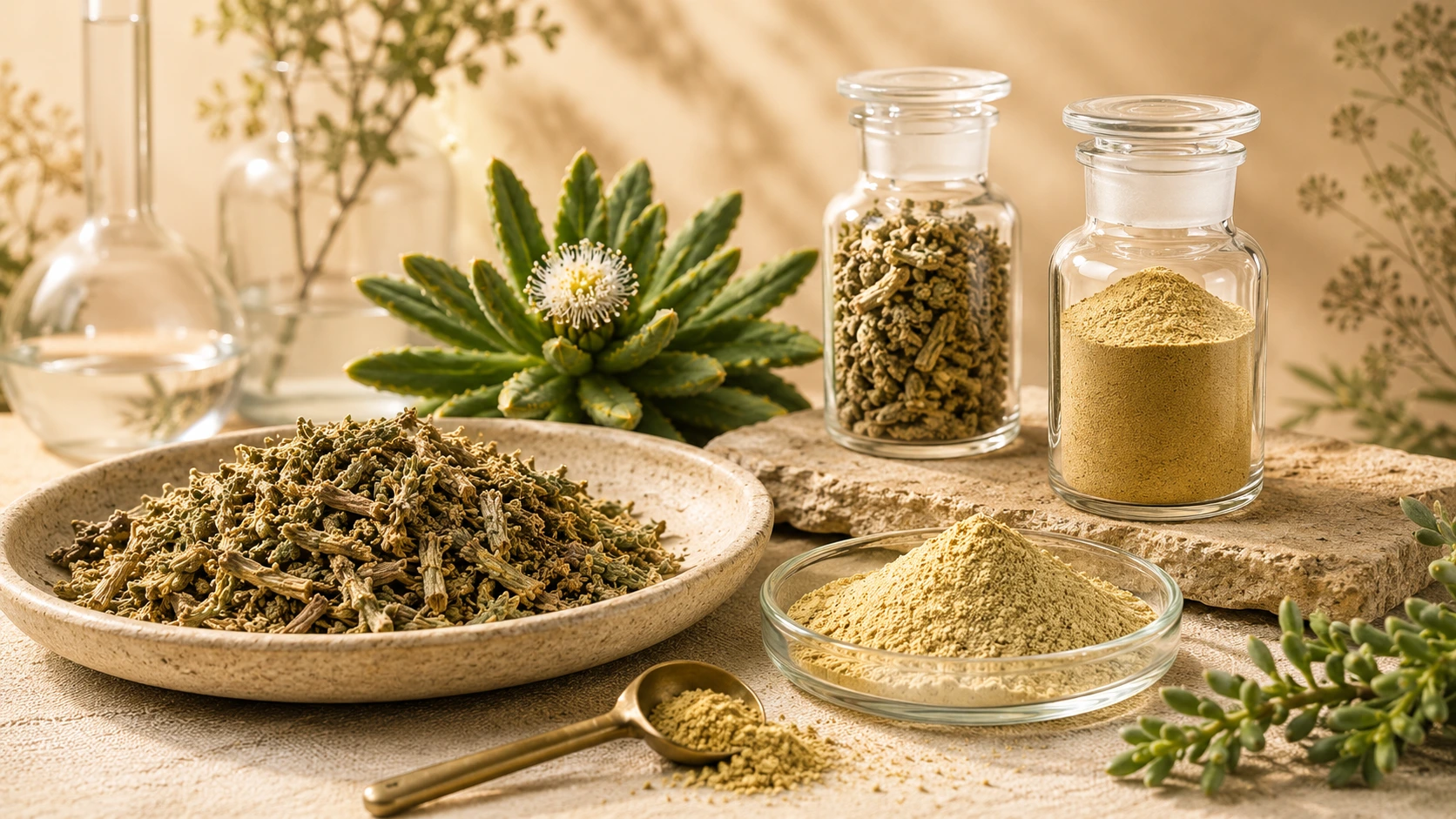
Discover our curated selection of sceletium tortuosum (Kanna)—a South African succulent with a well-documented ethnobotanical history and increasing interest in modern botanical and analytical research. At EUkratom, we supply Kanna as traditional botanical raw material and as characterized extracts, including ratio extracts and standardized extracts, to support consistent, repeatable results in technical workflows.
Intended use notice: All sceletium tortuosum products in this category are supplied strictly for technical, botanical, and research purposes. They are not foods, supplements, animal feed, or medicines, and are not intended for consumption.
What is sceletium tortuosum?
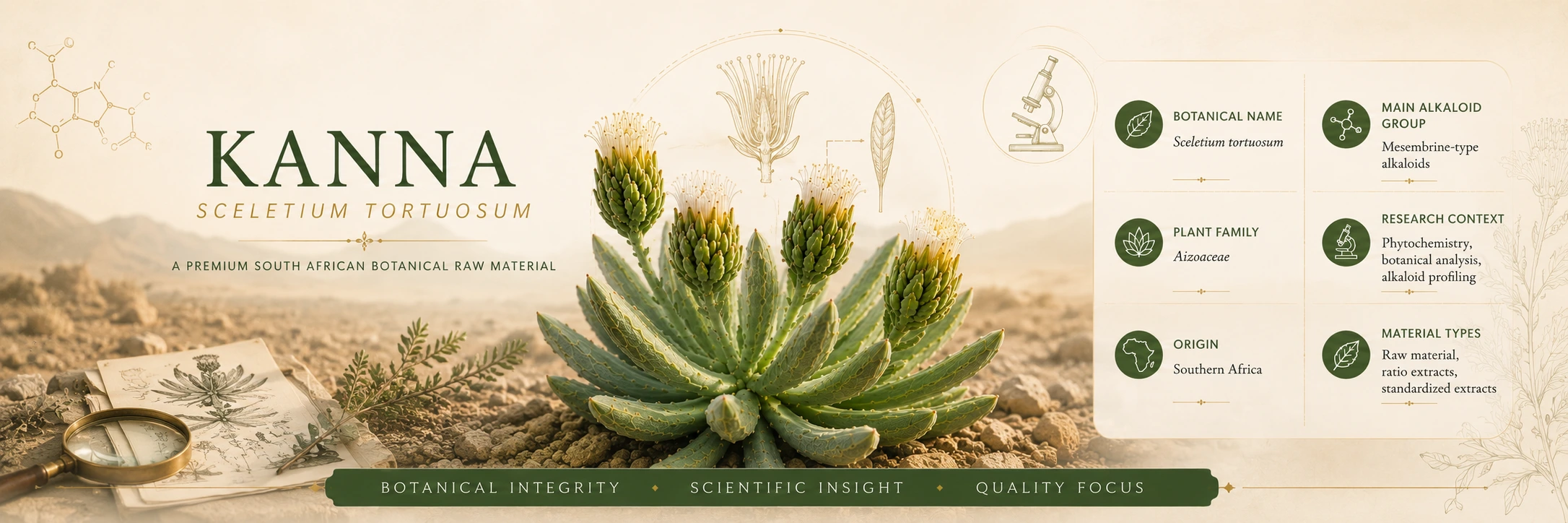
Sceletium tortuosum is a perennial succulent native to arid, rocky regions of South Africa (often referenced in the Western and Northern Cape areas). In modern technical contexts, sceletium tortuosum is commonly discussed in relation to its mesembrine-type alkaloids, such as mesembrine and mesembrenone, which are frequently profiled during quality control and comparative botanical analysis.
You may also see Kanna referenced under additional historical or regional names (e.g., “kougoed”) in ethnobotanical literature.
Shop sceletium tortuosum by format
Choosing the right format depends on whether your priority is classical botanical reference, method development, or batch-to-batch comparability.
Raw plant material
Our sceletium tortuosum raw material (e.g., milled or crushed plant material) is suitable for:
- botanical reference work
- extraction method development
- internal benchmarking and comparative screening
Ratio extracts (e.g., 50:1, 100:1)
Ratio extracts are concentrates produced from a defined input-to-output relationship (e.g., 50 parts plant material to 1 part extract). They are often chosen when a workflow requires:
- smaller sample masses
- concentrated material for analytical handling
- consistent processing inputs
Note: a ratio value describes the production ratio and does not, by itself, specify alkaloid percentage.
Standardized extracts (0.4%–5%)
Standardized sceletium tortuosum extracts are manufactured to a defined target content (e.g., 0.4%, 3%, 5%). This format is typically preferred when you need:
- stronger cross-batch comparability
- more consistent technical inputs
- improved repeatability for documentation-heavy protocols
Quality, testing & traceability
For technical and analytical work, identity, purity, and consistency matter. That’s why we prioritize:
- Identity verification & profiling: Modern analytical methods (such as HPLC) may be used to characterize alkaloid profiles and support lot-to-lot consistency.
- Contaminant controls: Screening against internal specifications can include microbiology, heavy metals, and residue checks (e.g., pesticides), depending on the batch and format.
- Batch documentation: We emphasize traceability and clear batch records. COAs (Certificates of Analysis) may be available upon request for relevant products/batches.
FAQ
What’s the difference between a ratio extract and a standardized extract?
A ratio extract (e.g., 50:1, 100:1) describes how much starting plant material is used to produce the final extract. A standardized extract is produced to a defined target content (e.g., 0.4%–5%), supporting better batch-to-batch comparability.
Do you provide Certificates of Analysis (COAs)?
COAs may be available upon request for relevant products/batches and can include identity/profiling and contaminant screening results.
Are these products intended for consumption?
No. Products in this sceletium tortuosum category are supplied for technical, botanical, and research purposes only and are not intended for consumption.
 Kratom
 Kratom Alternatives
 Kanna (Sceletium T.)
 Accessories
 Sale Products
 Wholesale
 Support
 Blog
Blog